

- Written by: admin
- August 9, 2024
- Categories: Construction & Contracting
- Tags: , General Contractor in Saudi Arabia
Introduction
The construction industry plays a vital role in supporting economic growth, infrastructure development, and urban expansion across the Kingdom of Saudi Arabia. As the country continues to advance ambitious initiatives under Vision 2030, the demand for experienced construction professionals capable of managing complex projects has increased significantly. This has made the role of a General Contractor in Saudi Arabia more important than ever.

A professional General Contractor in Saudi Arabia is responsible for overseeing all aspects of construction projects, from initial planning and procurement to execution, coordination, quality control, and final handover. Whether the project involves commercial buildings, industrial facilities, residential developments, healthcare institutions, hospitality projects, or infrastructure works, the general contractor serves as the central point of coordination between stakeholders.
Successful construction projects require careful management of resources, schedules, subcontractors, materials, safety requirements, and engineering standards. By partnering with an experienced General Contractor in Saudi Arabia, project owners can improve efficiency, reduce risks, maintain quality standards, and ensure timely project completion.
As construction projects become increasingly sophisticated, the value of professional construction management continues to grow, making general contracting services an essential component of modern project delivery.
Understanding the Role of a General Contractor
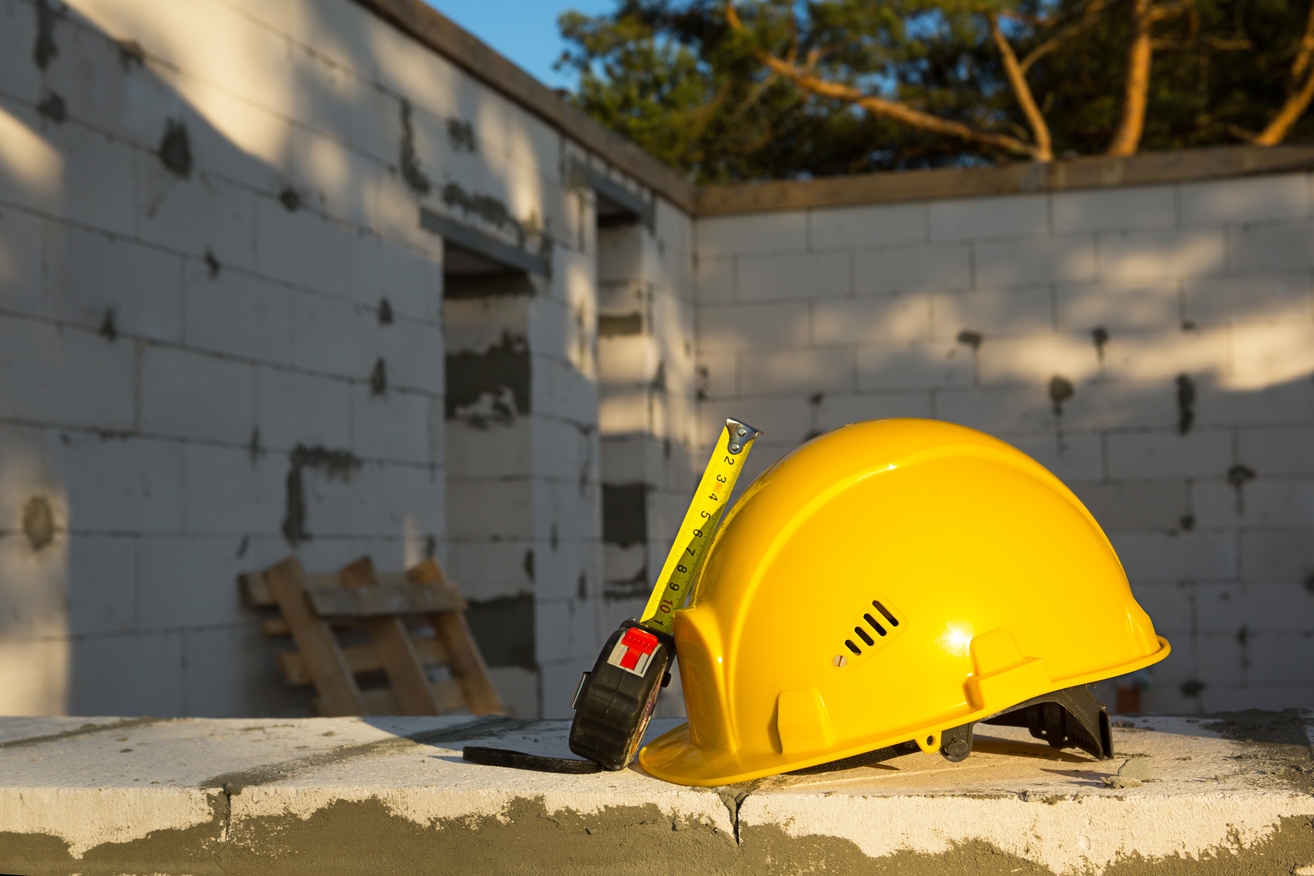
A General Contractor in Saudi Arabia is responsible for managing and coordinating all construction activities required to complete a project successfully. The contractor acts as the primary point of responsibility throughout the project lifecycle and ensures that work is performed according to approved plans, specifications, budgets, and schedules.
The responsibilities of a general contractor typically include project planning, procurement management, subcontractor coordination, site supervision, quality assurance, health and safety compliance, and project documentation. These activities require strong technical expertise, management capabilities, and communication skills.
Modern construction projects often involve multiple disciplines including civil works, structural construction, architectural finishing, MEP systems, fire protection systems, and low current technologies. A professional General Contractor in Saudi Arabia ensures that all these elements are properly coordinated to achieve project objectives.
Effective project coordination helps reduce delays, improve productivity, and minimize conflicts between various contractors and suppliers. By maintaining clear communication and strong project controls, general contractors help create a structured environment that supports successful project delivery.
As construction complexity continues to increase, professional general contractors provide valuable expertise that helps owners navigate technical challenges and achieve desired outcomes.
Construction Planning and Project Management

One of the most important responsibilities of a General Contractor in Saudi Arabia is construction planning and project management. Successful projects begin with a clear strategy that defines scope, objectives, budgets, schedules, and resource requirements.
The planning process includes reviewing project specifications, evaluating site conditions, identifying project risks, and developing execution strategies. Detailed planning allows contractors to allocate resources effectively and anticipate potential challenges before construction begins.
Professional project management helps ensure that construction activities remain aligned with project goals throughout execution. A qualified General Contractor in Saudi Arabia utilizes scheduling tools, project monitoring systems, and reporting mechanisms to maintain visibility over project performance.
Cost management is another critical component of project management. Contractors monitor expenditures, procurement activities, labor productivity, and material usage to ensure financial objectives are achieved without compromising quality.
Project management also involves stakeholder communication, document control, and coordination with consultants, suppliers, and regulatory authorities. Strong management practices help improve decision-making and support efficient project execution from start to finish.
Quality Control and Construction Excellence

Maintaining quality standards is a fundamental responsibility of every General Contractor in Saudi Arabia. Quality control processes ensure that construction work meets engineering specifications, regulatory requirements, and client expectations.
Quality management begins during project planning and continues throughout construction activities. Contractors establish inspection procedures, testing protocols, material verification processes, and documentation systems to monitor project quality.
A professional General Contractor in Saudi Arabia implements systematic quality assurance measures that address workmanship, material compliance, installation accuracy, and overall project performance. Regular inspections help identify issues early and prevent costly rework.
Quality control is particularly important in projects involving complex systems such as HVAC installations, electrical infrastructure, plumbing networks, fire protection systems, and specialized construction elements. Proper oversight helps ensure these systems function as intended after project completion.
Delivering consistent quality not only improves client satisfaction but also contributes to long-term building performance, operational reliability, and reduced maintenance requirements. Organizations that prioritize quality often achieve stronger project outcomes and enhanced reputations within the construction industry.
Safety Management and Regulatory Compliance

Safety remains one of the highest priorities for any General Contractor in Saudi Arabia. Construction projects involve various risks that must be carefully managed to protect workers, visitors, equipment, and surrounding environments.
Professional contractors establish comprehensive safety programs that include training, risk assessments, site inspections, emergency procedures, and ongoing monitoring activities. These programs help create a safe working environment while supporting regulatory compliance.
A qualified General Contractor in Saudi Arabia ensures that construction activities comply with applicable health and safety regulations, engineering requirements, and project-specific standards. Compliance efforts include proper use of personal protective equipment, hazard identification, safe work practices, and incident prevention strategies.
Safety management also contributes to project efficiency by reducing disruptions, minimizing accidents, and improving workforce productivity. Projects with strong safety cultures often experience better operational performance and fewer delays.
As construction projects continue to grow in scale and complexity, effective safety leadership has become an essential element of successful project execution across all sectors of the industry.
Choosing the Right General Contractor
Selecting the right General Contractor in Saudi Arabia is one of the most important decisions project owners can make. The contractor’s experience, capabilities, resources, and management approach directly influence project outcomes.
When evaluating contractors, owners should consider technical expertise, project portfolio, quality management systems, safety performance, financial stability, and industry reputation. These factors help determine a contractor’s ability to manage complex projects successfully.
An experienced General Contractor in Saudi Arabia brings valuable knowledge regarding local regulations, procurement strategies, subcontractor management, and construction methodologies. This expertise can help reduce risks and improve project efficiency.
Communication capabilities are equally important. Effective contractors maintain transparency, provide regular updates, and collaborate closely with project stakeholders throughout execution.
Long-term partnerships often develop when contractors consistently deliver quality results, maintain professional standards, and support client objectives. Selecting a qualified contractor is ultimately an investment in project success and long-term value creation.
Conclusion
The role of a General Contractor in Saudi Arabia extends far beyond construction supervision. Professional contractors provide leadership, coordination, quality control, safety management, and project execution expertise that support successful project delivery across multiple sectors.
As Saudi Arabia continues to expand its infrastructure, commercial developments, industrial facilities, and residential communities, the demand for experienced General Contractor in Saudi Arabia services will continue to grow. Project owners increasingly recognize the importance of partnering with contractors capable of managing complex construction requirements while maintaining quality, safety, and efficiency.
A qualified General Contractor in Saudi Arabia helps reduce project risks, improve operational performance, maintain compliance, and ensure timely completion. Through effective planning, coordination, and execution, contractors contribute significantly to the success of modern construction projects.
Whether developing a commercial building, industrial facility, residential community, healthcare center, or infrastructure project, selecting the right contractor remains one of the most important factors influencing project outcomes and long-term success.
Frequently Asked Questions
What is a General Contractor in Saudi Arabia?
A General Contractor in Saudi Arabia is responsible for managing and coordinating all construction activities required to complete a project successfully.
What services does a general contractor provide?
Services typically include project management, procurement, construction supervision, quality control, safety management, subcontractor coordination, and project handover.
Why is a general contractor important?
A general contractor helps ensure projects are completed on time, within budget, according to specifications, and in compliance with safety and quality requirements.
What types of projects require general contracting services?
Commercial, industrial, residential, healthcare, hospitality, educational, and infrastructure projects commonly require professional general contracting services.
How do I choose the right general contractor?
Evaluate experience, project portfolio, quality systems, safety performance, technical expertise, communication practices, and industry reputation.
Sources
- Project Management Institute (PMI)
- International Organization for Standardization (ISO)
- National Institute of Building Sciences (NIBS)
- buildingSMART International
- Occupational Safety and Health Administration (OSHA)
Related Topics
-
- MEP Contracting Services in Saudi Arabia: Complete Guide to Modern Building Systems
- fire fighting systems in Saudi Arabia: Complete Guide to Building Fire Protection Solutions
- low current systems in Saudi Arabia: Complete Guide to Smart Building Technologies
- ventilation systems in Saudi Arabia: Complete Guide to Indoor Air Quality and Building Performance
- MEP supplies in Saudi Arabia: Complete Guide to Quality Materials for Construction Projects
- MEP design in Saudi Arabia: Complete Guide to Engineering Coordination and Building Performance