
Introduction
The success of modern construction projects begins long before installation activities start on site. Effective engineering planning, system integration, and technical coordination are essential for delivering buildings that achieve operational efficiency, occupant comfort, energy performance, and long-term reliability. This is where professional MEP design in Saudi Arabia plays a critical role.
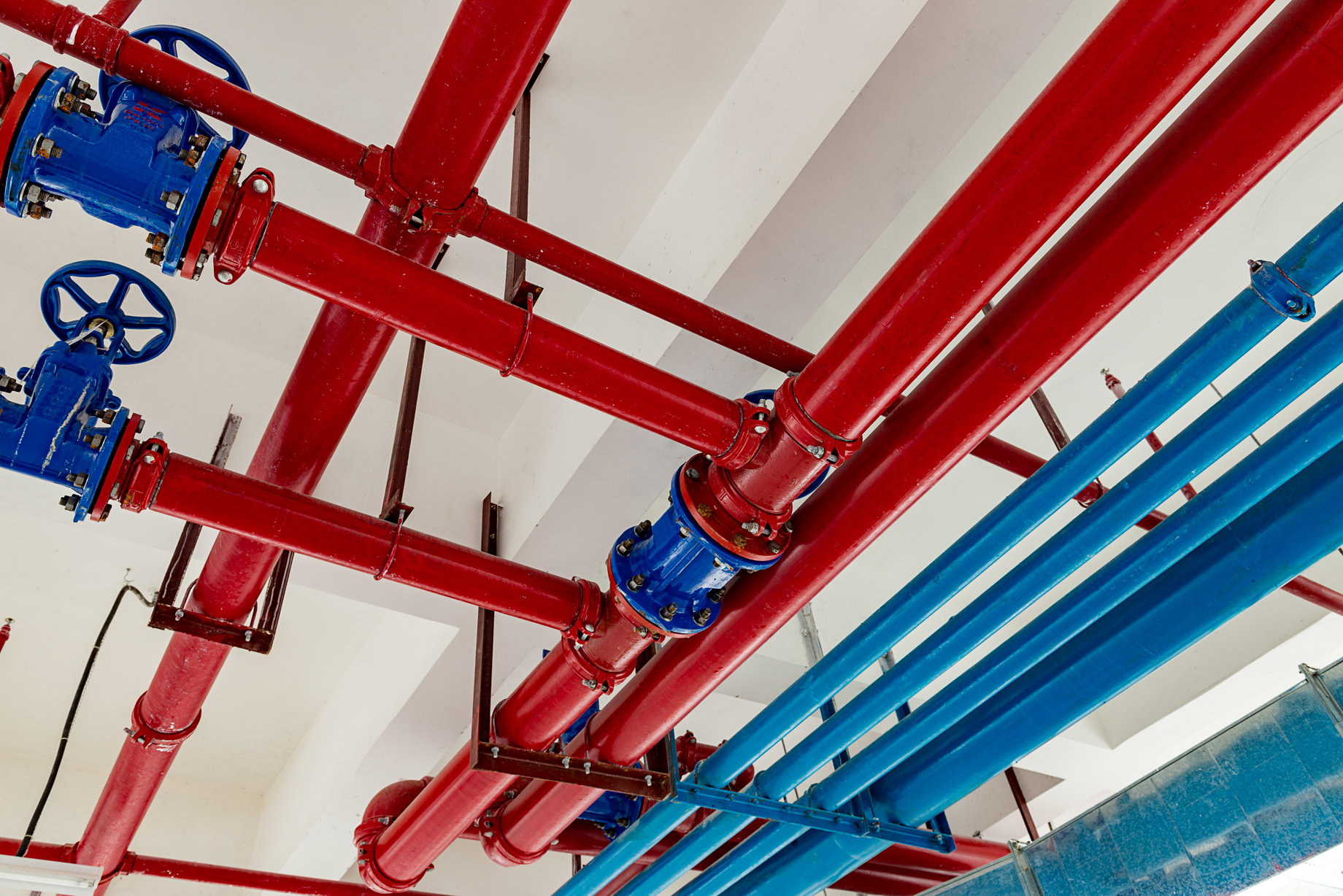
As commercial developments, industrial facilities, residential communities, healthcare institutions, hospitality projects, and infrastructure investments continue to expand across the Kingdom, the demand for high-quality MEP design in Saudi Arabia continues to increase. Mechanical, electrical, and plumbing systems form the foundation of every modern building, supporting essential functions such as climate control, power distribution, water management, fire protection, and operational performance.
A well-executed design process helps identify potential challenges before construction begins, reducing project risks, minimizing costly modifications, and improving overall coordination between building disciplines. Professional MEP design in Saudi Arabia ensures that all building systems operate together efficiently while complying with engineering standards, project requirements, and sustainability objectives.
As construction projects become increasingly complex, organizations are investing more heavily in advanced engineering coordination and digital design technologies to improve project outcomes and maximize building performance.
Understanding MEP Design and Its Role in Construction
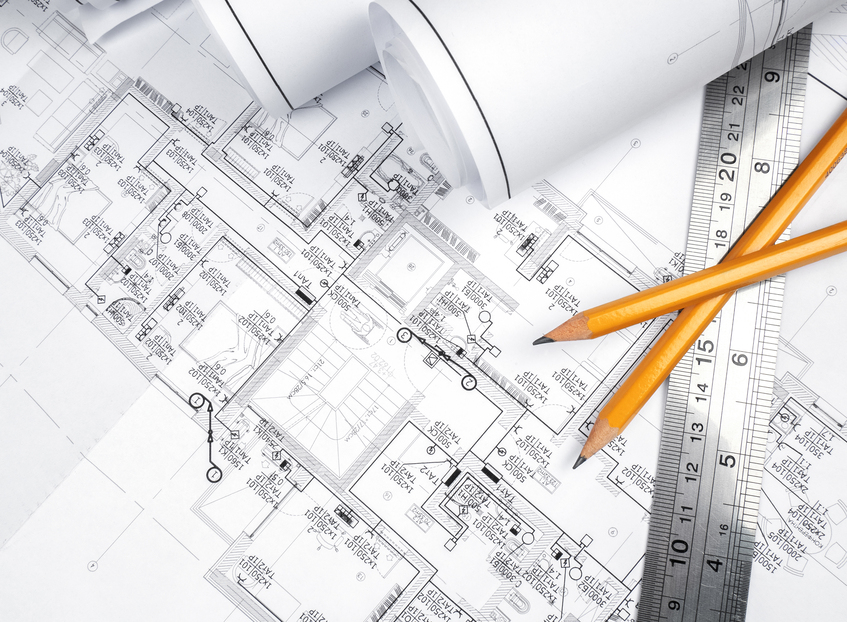
Professional MEP design in Saudi Arabia involves the planning, engineering, coordination, and documentation of mechanical, electrical, and plumbing systems required for building operation. These systems support critical building functions while ensuring safety, comfort, efficiency, and long-term operational reliability.
Mechanical design typically includes HVAC systems, ventilation infrastructure, chilled water systems, air distribution networks, pumps, and environmental control technologies. Electrical design covers power distribution, lighting systems, emergency power solutions, grounding systems, and energy management infrastructure. Plumbing design focuses on water supply networks, drainage systems, sanitary installations, and wastewater management solutions.
The primary objective of MEP design in Saudi Arabia is to ensure that all technical systems function efficiently without creating conflicts between architectural, structural, and operational requirements. Effective engineering coordination helps reduce construction challenges while improving installation efficiency and long-term maintenance accessibility.
Modern projects increasingly rely on integrated design methodologies that consider system performance, sustainability, energy consumption, and future operational requirements. This holistic approach allows engineers to optimize building performance while reducing lifecycle costs and operational risks.
The growing complexity of modern facilities has made professional MEP engineering an essential part of successful project delivery across multiple sectors.
Benefits of Professional MEP Design

Organizations investing in professional MEP design in Saudi Arabia benefit from improved project coordination, reduced construction risks, and enhanced building performance. Engineering decisions made during the design phase directly influence installation quality, operational efficiency, and long-term maintenance requirements.
One of the most significant advantages of MEP design in Saudi Arabia is conflict reduction. Proper system coordination helps identify clashes between mechanical equipment, electrical infrastructure, plumbing networks, and structural elements before construction begins. Resolving issues during design is significantly less expensive than making modifications during installation.
Professional design also improves energy efficiency. Engineers can optimize HVAC performance, electrical distribution, water consumption, and equipment selection to reduce operational costs while supporting sustainability objectives.
Another important benefit is improved project scheduling. Well-coordinated engineering documentation enables contractors to plan installation activities more effectively, reducing delays and improving construction productivity.
Facility owners also benefit from enhanced operational performance. Properly designed systems are easier to maintain, more reliable during operation, and better suited to long-term facility requirements. These advantages contribute to improved building value and greater return on investment throughout the facility lifecycle.
Engineering Coordination and System Integration
One of the most important aspects of MEP design in Saudi Arabia is engineering coordination. Modern buildings contain numerous interconnected systems that must operate together efficiently without interfering with architectural or structural requirements.
Mechanical systems require space for equipment, ductwork, piping, and maintenance access. Electrical systems require pathways for conduits, cable trays, switchgear, and distribution equipment. Plumbing systems require routing for water supply, drainage, and sanitary infrastructure. Coordinating these systems within limited building space presents significant engineering challenges.
Professional MEP design in Saudi Arabia addresses these challenges through collaborative planning and system integration. Engineers work closely with architects, structural consultants, contractors, and project stakeholders to develop coordinated solutions that support overall project objectives.
Building Information Modeling (BIM) technologies have become increasingly important in facilitating coordination efforts. Digital models allow engineers to visualize system layouts, identify conflicts, and optimize building performance before construction begins.
Effective coordination improves installation efficiency, reduces material waste, minimizes rework, and supports successful project delivery. As projects become larger and more complex, integrated engineering coordination continues to play a central role in modern construction practices.
Clash Detection and Digital Design Technologies
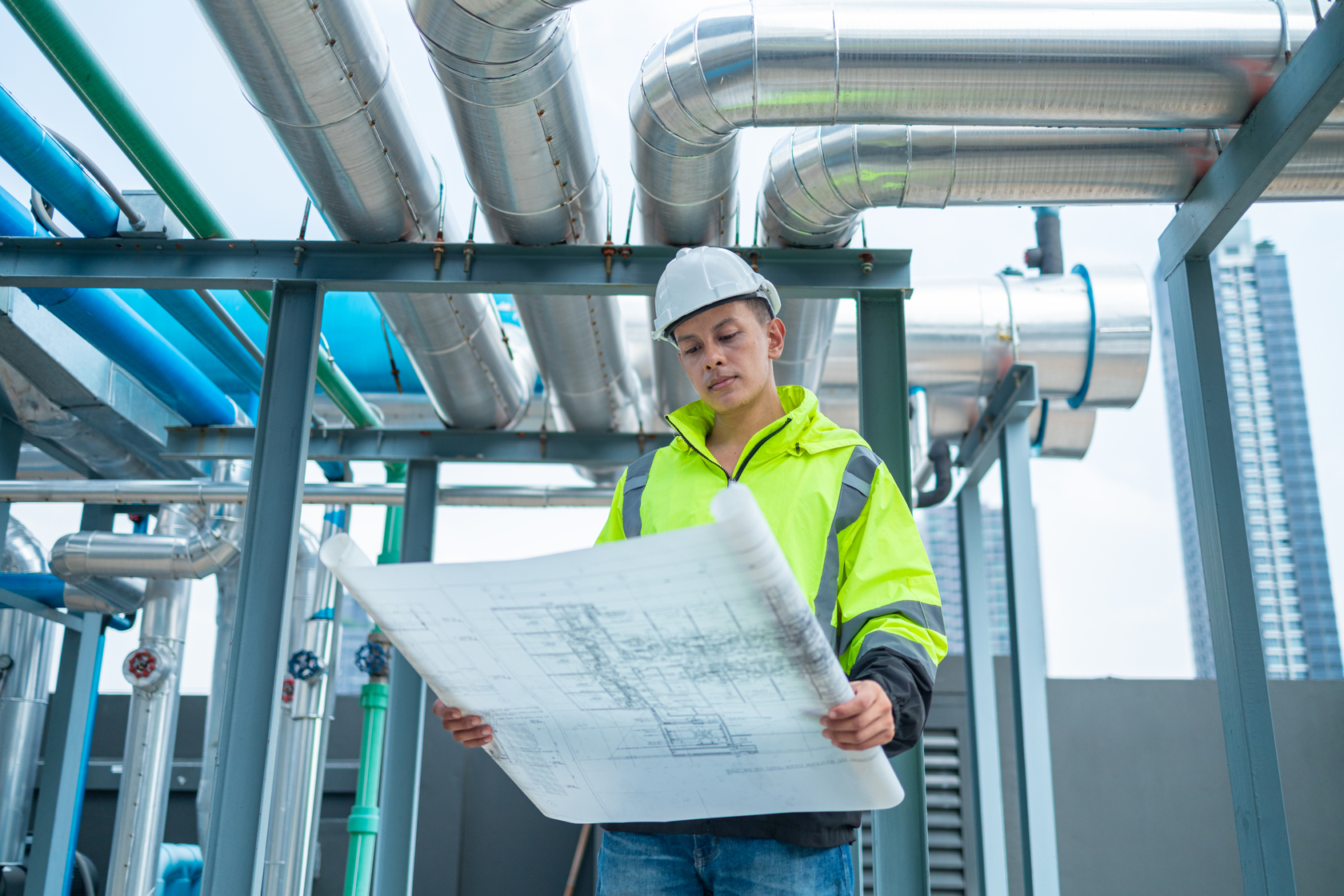
Modern MEP design in Saudi Arabia increasingly relies on advanced digital technologies to improve design accuracy and project coordination. One of the most valuable tools available today is clash detection analysis.
Clash detection involves reviewing digital building models to identify conflicts between mechanical, electrical, plumbing, architectural, and structural elements before construction begins. This process helps engineers resolve issues early, preventing costly modifications and project delays.
Professional MEP design in Saudi Arabia frequently utilizes Building Information Modeling (BIM) platforms to create detailed digital representations of building systems. These models provide valuable insights into equipment placement, routing requirements, maintenance access, and system interactions.
Digital design technologies also improve communication between project stakeholders. Engineers, contractors, consultants, and facility owners can review project information more effectively and make informed decisions throughout the design process.
Advanced simulation tools further support performance analysis by evaluating airflow, energy consumption, lighting performance, water usage, and operational efficiency. These capabilities help engineers optimize system designs while supporting sustainability goals and regulatory compliance.
As digital transformation continues across the construction industry, technology-driven engineering solutions are becoming increasingly important for delivering successful projects.
MEP Design and Long-Term Building Performance
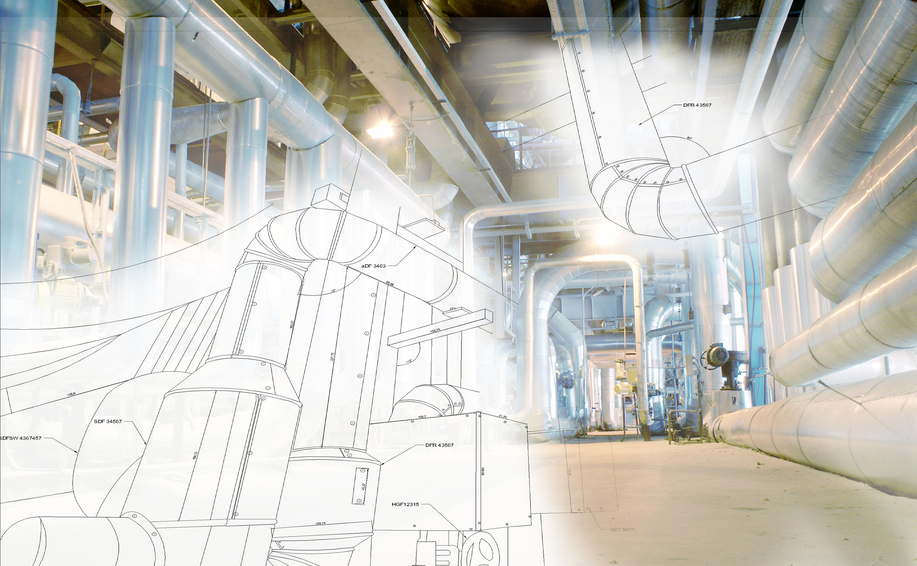
The impact of MEP design in Saudi Arabia extends far beyond construction activities. Engineering decisions made during the design phase influence building performance throughout the entire lifecycle of the facility.
Well-designed systems improve occupant comfort by maintaining consistent temperature control, air quality, lighting performance, and water availability. Reliable system operation contributes directly to productivity, user satisfaction, and operational continuity.
Professional MEP design in Saudi Arabia also supports maintenance efficiency. Proper equipment placement, service access, and system documentation simplify maintenance activities while reducing operational disruptions.
Energy efficiency represents another major benefit. Optimized HVAC systems, efficient electrical infrastructure, and sustainable plumbing solutions help reduce utility consumption and operating expenses over time.
Future flexibility is also an important consideration. Buildings often undergo modifications, expansions, and technology upgrades during their lifecycle. Proper engineering planning helps accommodate future changes while minimizing disruption and additional costs.
Organizations that prioritize high-quality engineering design typically experience improved building performance, lower operational risks, and greater long-term value from their facilities.
Conclusion
The growing complexity of modern construction projects has increased the importance of professional MEP design in Saudi Arabia. Effective engineering coordination serves as the foundation for successful building performance, operational efficiency, sustainability, and long-term reliability.
Professional MEP design in Saudi Arabia helps organizations reduce construction risks, improve system integration, optimize energy performance, and enhance occupant comfort. Through advanced engineering methodologies, digital technologies, and collaborative coordination processes, modern MEP design supports successful project delivery across all sectors.
As Saudi Arabia continues to invest in large-scale developments, smart cities, industrial expansion, and infrastructure projects, the demand for integrated engineering solutions will continue to grow. Organizations that invest in high-quality MEP design in Saudi Arabia position themselves for greater project success and improved operational outcomes.
Ultimately, effective engineering design is not simply a project requirement—it is a strategic investment that influences every stage of a building’s lifecycle, from construction and commissioning to long-term operation and maintenance.
Frequently Asked Questions
What is MEP design in Saudi Arabia?
MEP design in Saudi Arabia involves the engineering, coordination, and planning of mechanical, electrical, and plumbing systems for buildings and infrastructure projects.
Why is MEP design important?
It improves coordination, reduces construction conflicts, enhances system performance, and supports long-term operational efficiency.
What systems are included in MEP design?
MEP design includes HVAC systems, ventilation, electrical infrastructure, plumbing networks, water systems, and related building services.
What is clash detection in MEP design?
Clash detection identifies conflicts between building systems before construction begins, helping reduce delays and costly modifications.
How does MEP design improve building performance?
It optimizes system integration, energy efficiency, maintenance accessibility, occupant comfort, and operational reliability.
Sources
- buildingSMART International
- ASHRAE
- International Organization for Standardization (ISO)
- Project Management Institute (PMI)
- National Institute of Building Sciences
Related Topics
- MEP Contracting Services in Saudi Arabia: Complete Guide to Modern Building Systems
- fire fighting systems in Saudi Arabia: Complete Guide to Building Fire Protection Solutions
- low current systems in Saudi Arabia: Complete Guide to Smart Building Technologies
- ventilation systems in Saudi Arabia: Complete Guide to Indoor Air Quality and Building Performance
- MEP supplies in Saudi Arabia: Complete Guide to Quality Materials for Construction Projects
- General Contractor in Saudi Arabia: Complete Guide to Successful Construction Projects