
Introduction
Indoor air quality and environmental comfort have become essential considerations in modern buildings. Whether in commercial offices, industrial facilities, hospitals, hotels, educational institutions, or residential developments, effective ventilation plays a critical role in maintaining healthy, safe, and productive indoor environments.
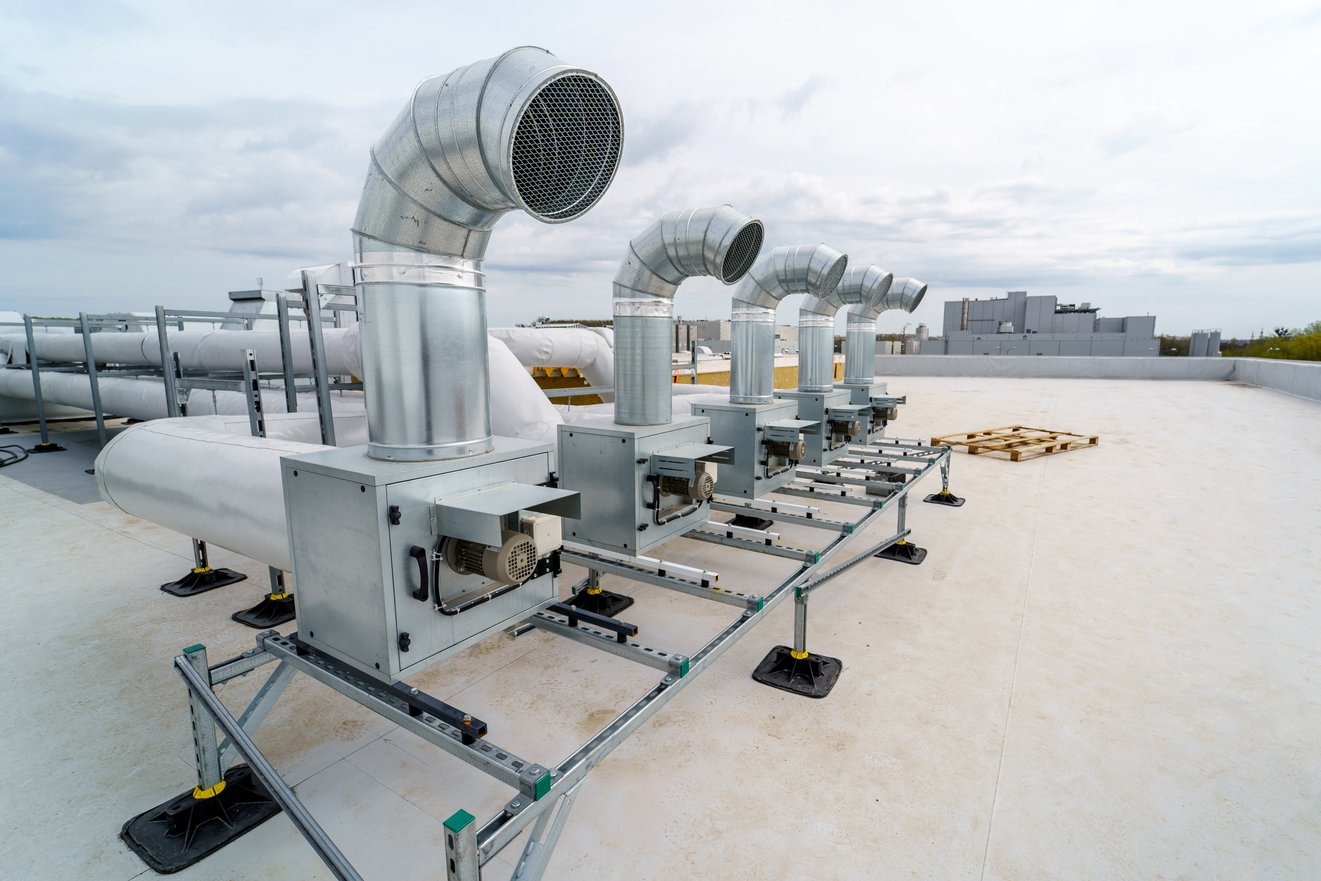
The demand for ventilation systems in Saudi Arabia continues to grow as building owners and developers increasingly focus on occupant wellbeing, operational efficiency, and compliance with modern engineering standards. Proper ventilation helps regulate airflow, remove contaminants, control humidity levels, manage heat buildup, and maintain comfortable indoor conditions throughout the year.
Modern ventilation systems in Saudi Arabia are designed to support a wide range of applications, from fresh air supply and exhaust ventilation to smoke extraction and specialized industrial airflow management. These systems work alongside HVAC infrastructure to improve indoor environmental quality while supporting energy-efficient building operation.
As Saudi Arabia continues to invest in smart cities, commercial developments, industrial expansion, and infrastructure projects, professional ventilation systems in Saudi Arabia have become a fundamental component of modern building design and facility management strategies.
The Importance of Ventilation Systems in Modern Buildings
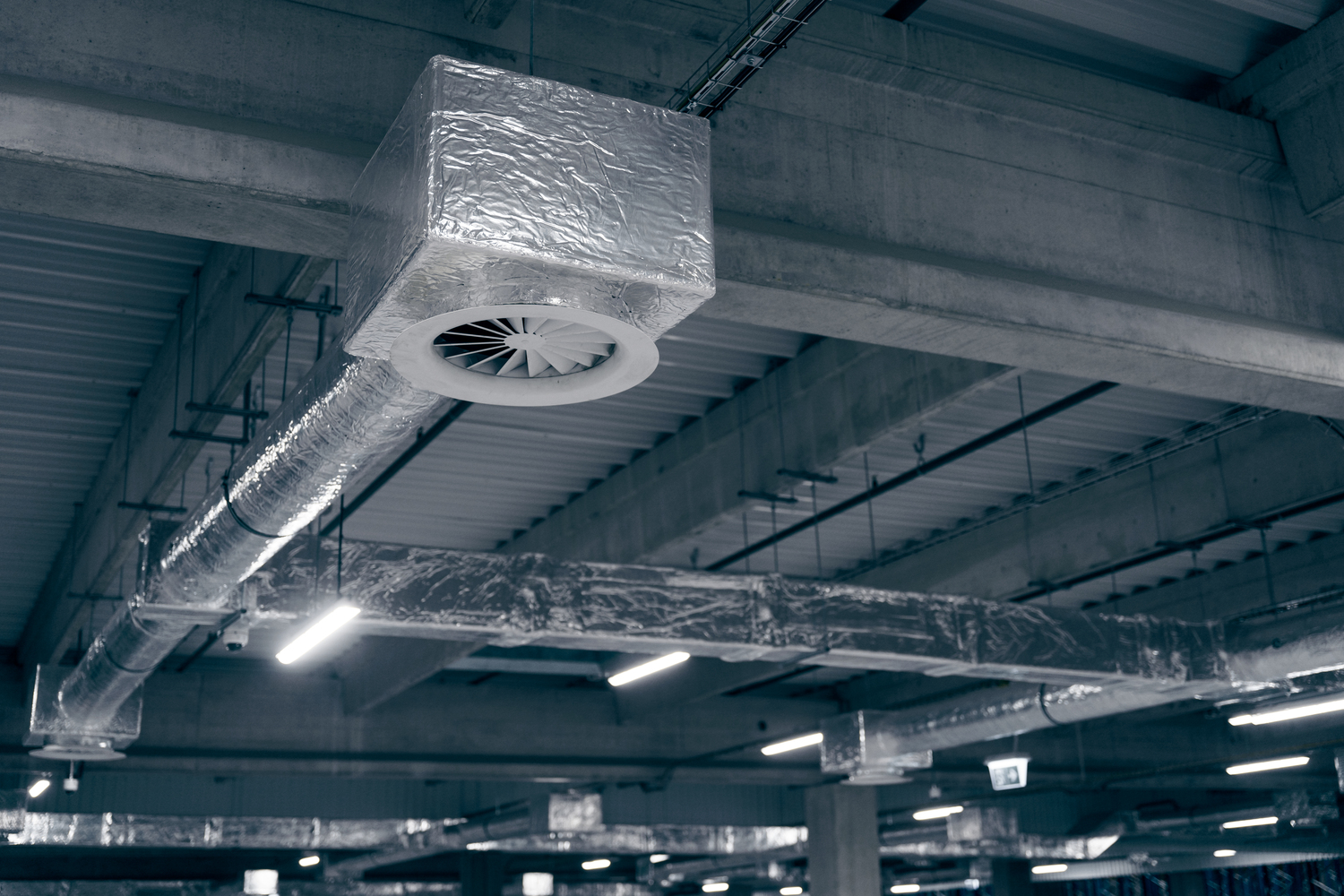
Effective ventilation systems in Saudi Arabia are essential for maintaining indoor air quality and ensuring comfortable building environments. Without proper ventilation, indoor spaces can accumulate pollutants, excess heat, humidity, odors, and airborne contaminants that negatively affect occupant health and productivity.
Ventilation systems are responsible for introducing fresh outdoor air while removing stale indoor air. This continuous air exchange helps maintain healthy oxygen levels and reduces concentrations of carbon dioxide, volatile organic compounds (VOCs), dust particles, and other contaminants.
The importance of ventilation systems in Saudi Arabia is particularly significant due to the region’s climate conditions. Buildings often operate with sealed environments and extensive air conditioning systems, making controlled ventilation necessary to maintain healthy indoor conditions without compromising energy efficiency.
Properly designed ventilation systems also support regulatory compliance, workplace safety, and environmental sustainability objectives. Organizations that invest in high-quality ventilation infrastructure often experience improved occupant comfort, reduced absenteeism, and enhanced operational performance.
As modern construction projects become increasingly sophisticated, ventilation technologies continue to evolve, incorporating advanced controls, monitoring systems, and energy-efficient equipment designed to optimize building performance.
Types of Ventilation Systems Used in Saudi Arabia
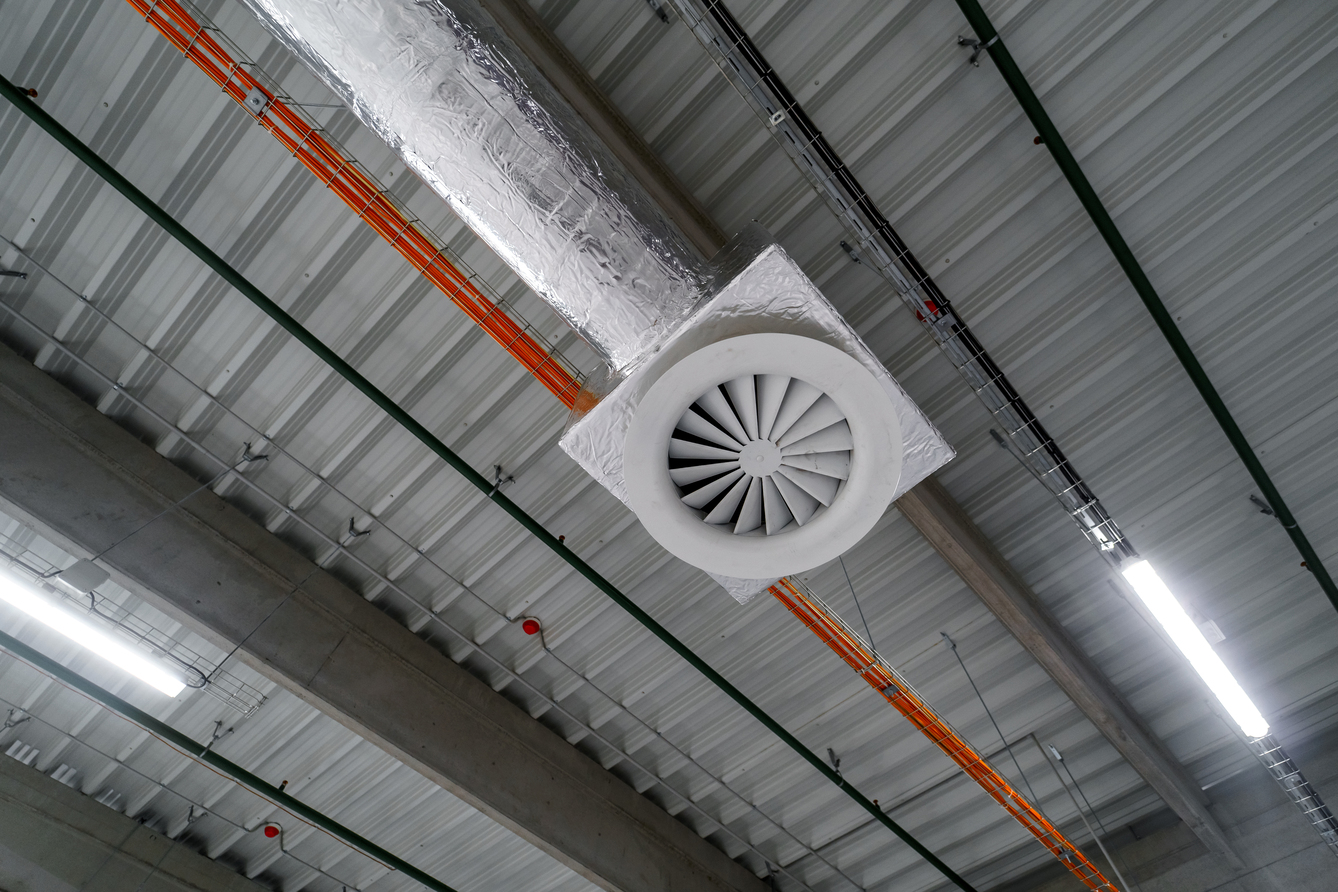
Modern ventilation systems in Saudi Arabia include a variety of solutions tailored to different building types, occupancy requirements, and operational objectives. Each system serves a specific purpose while contributing to overall indoor environmental quality.
Fresh air systems are among the most common ventilation solutions. These systems introduce filtered outdoor air into buildings to improve indoor air quality and maintain proper ventilation rates. Fresh air units are frequently integrated with HVAC systems to ensure balanced airflow and energy-efficient operation.
Exhaust ventilation systems remove contaminated air, odors, moisture, and heat from occupied spaces. These systems are commonly used in kitchens, restrooms, industrial facilities, laboratories, and mechanical rooms where air extraction is required.
Smoke extraction systems represent another important category of ventilation systems in Saudi Arabia. These specialized systems help remove smoke during fire emergencies, improving visibility and supporting safe building evacuation procedures.
Car park ventilation systems are designed to control vehicle emissions and maintain safe air quality levels within enclosed parking structures. Jet fan systems and mechanical ventilation technologies are commonly used to manage airflow within large parking facilities.
Industrial ventilation systems often require customized solutions capable of handling dust, fumes, heat, and process-related contaminants. These systems play a vital role in protecting workers and supporting operational safety.
Ventilation Systems and Indoor Air Quality
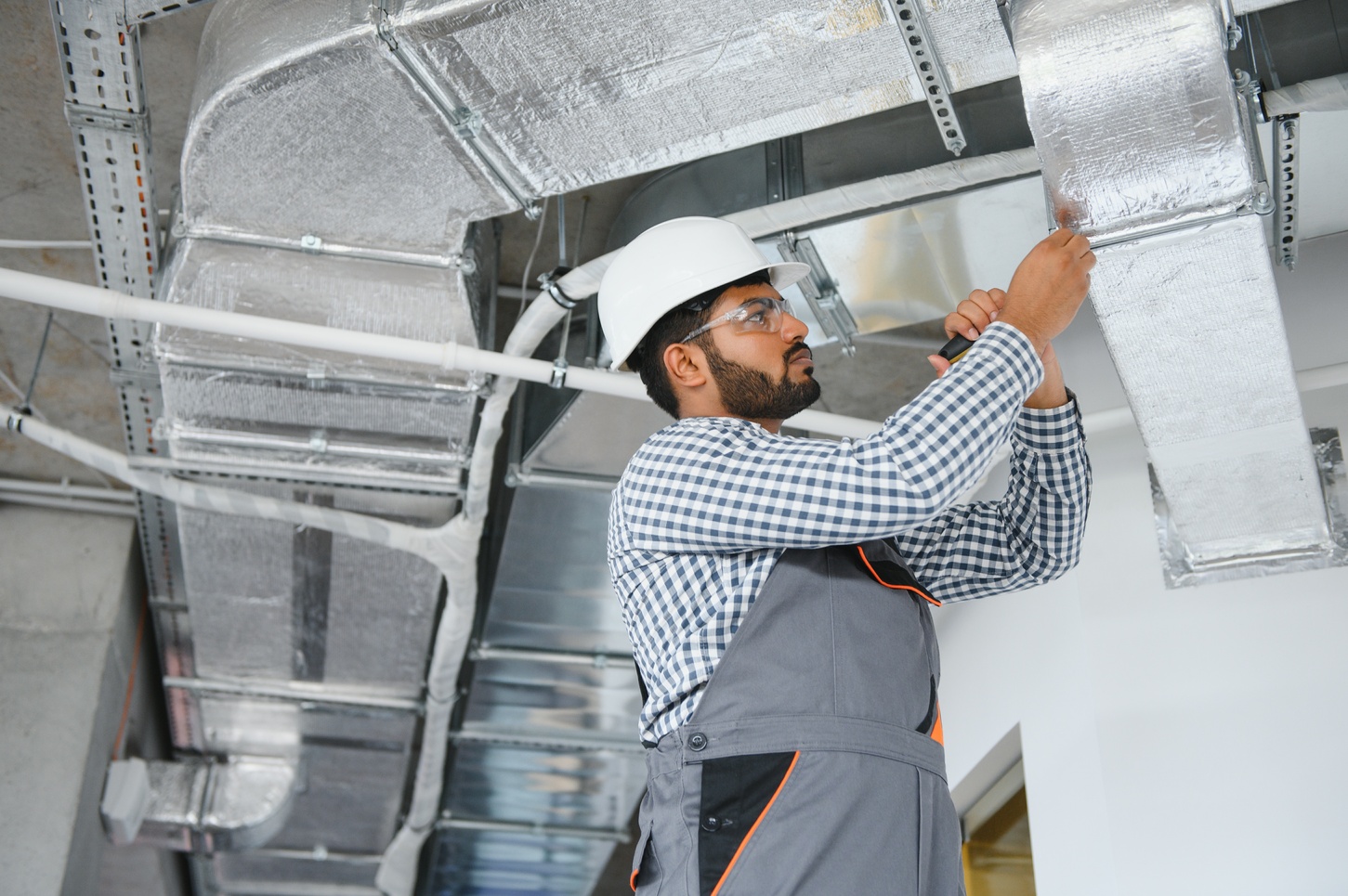
One of the primary objectives of ventilation systems in Saudi Arabia is improving indoor air quality. Indoor environments can contain a variety of pollutants generated by occupants, equipment, construction materials, cleaning products, and external sources.
Poor indoor air quality may contribute to discomfort, reduced productivity, respiratory issues, headaches, fatigue, and other health concerns. Effective ventilation helps minimize these risks by maintaining proper airflow and contaminant removal.
Modern ventilation systems in Saudi Arabia utilize advanced filtration technologies that remove airborne particles, allergens, pollutants, and other contaminants before air enters occupied spaces. High-efficiency filters are particularly important in healthcare facilities, educational institutions, and commercial buildings with high occupancy levels.
Ventilation systems also help regulate humidity levels, reducing the likelihood of mold growth and moisture-related issues. Maintaining balanced humidity improves comfort while protecting building materials and equipment.
As awareness of indoor environmental quality continues to grow, building owners increasingly prioritize ventilation solutions that support occupant health, wellness, and productivity. These objectives are particularly important in workplaces, schools, hospitals, and public facilities where indoor air quality directly affects daily operations.
Energy Efficiency and Ventilation System Performance
Energy efficiency is a major consideration when designing ventilation systems in Saudi Arabia. Building operators seek solutions that maintain air quality and occupant comfort while minimizing operational costs and energy consumption.
Modern ventilation technologies incorporate energy recovery systems, variable speed drives, intelligent controls, and demand-controlled ventilation strategies that optimize performance while reducing energy usage. These technologies allow systems to adjust airflow based on occupancy levels and environmental conditions.
Professional ventilation systems in Saudi Arabia often integrate with building management systems (BMS) to provide centralized monitoring and automated control capabilities. This integration improves operational efficiency and enables facility managers to make data-driven decisions regarding building performance.
Proper system sizing, ductwork design, equipment selection, and maintenance practices also contribute significantly to energy efficiency. Oversized or poorly maintained systems may consume excessive energy while delivering suboptimal performance.
Organizations that invest in energy-efficient ventilation solutions often benefit from reduced operating costs, improved sustainability performance, and enhanced building value. These benefits align with broader environmental objectives and modern building certification programs.
Installation, Maintenance, and Long-Term Reliability
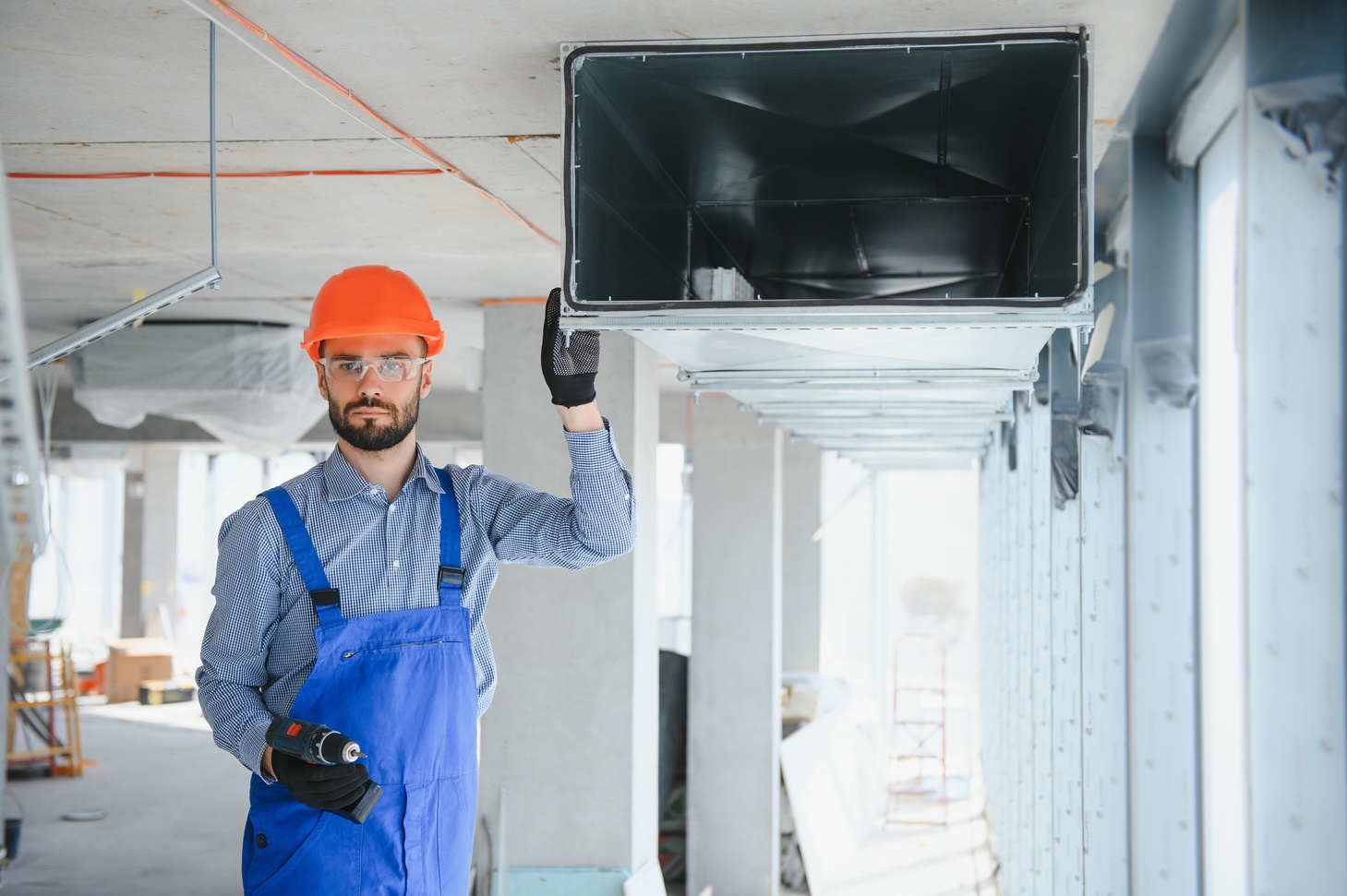
The long-term success of ventilation systems in Saudi Arabia depends on professional installation, regular maintenance, and ongoing performance monitoring. Proper implementation ensures reliable operation and maximizes system lifespan.
The installation process begins with engineering evaluation and airflow analysis. Designers assess occupancy requirements, building layouts, equipment locations, and operational objectives before developing detailed ventilation strategies.
Professional installation of ventilation systems in Saudi Arabia includes ductwork fabrication, equipment placement, airflow balancing, system integration, and commissioning procedures. Quality control measures help verify compliance with project specifications and engineering standards.
Routine maintenance is essential for preserving performance and preventing operational issues. Maintenance activities typically include filter replacement, fan inspection, duct cleaning, airflow verification, and control system testing.
Performance monitoring allows facility managers to identify inefficiencies, detect equipment issues, and optimize system operation over time. Preventive maintenance programs reduce downtime while improving overall reliability and occupant satisfaction.
Organizations that maintain proactive maintenance strategies often achieve greater operational efficiency, lower lifecycle costs, and improved indoor environmental quality throughout the life of the facility.
Conclusion
The growing demand for ventilation systems in Saudi Arabia reflects the increasing importance of indoor air quality, occupant comfort, and sustainable building performance. Modern ventilation solutions play a critical role in supporting healthy environments while helping organizations achieve operational and energy efficiency objectives.
Professional ventilation systems in Saudi Arabia provide far more than simple airflow management. They contribute to workplace productivity, environmental quality, regulatory compliance, and long-term building performance across commercial, industrial, residential, healthcare, and infrastructure sectors.
Investing in properly designed and maintained ventilation systems in Saudi Arabia helps organizations protect occupants, improve operational efficiency, reduce energy consumption, and enhance overall facility value. As building technologies continue to evolve, advanced ventilation systems will remain an essential component of modern construction and smart building development.
The future of building performance depends on creating environments that prioritize health, comfort, safety, and sustainability. Effective ventilation infrastructure plays a central role in achieving these goals across Saudi Arabia’s rapidly expanding built environment.
Frequently Asked Questions
What are ventilation systems in Saudi Arabia?
ventilation systems in Saudi Arabia are mechanical systems designed to supply fresh air, remove contaminants, control airflow, and improve indoor environmental quality.
Why are ventilation systems important?
They help maintain healthy indoor air quality, improve occupant comfort, remove pollutants, and support building safety.
What types of ventilation systems are commonly used?
Common systems include fresh air systems, exhaust ventilation systems, smoke extraction systems, industrial ventilation systems, and car park ventilation systems.
How do ventilation systems improve energy efficiency?
Modern systems use energy recovery technologies, intelligent controls, and optimized airflow management to reduce energy consumption.
How often should ventilation systems be maintained?
Regular inspections, filter replacement, airflow testing, and preventive maintenance should be performed according to operational requirements and manufacturer recommendations.
Sources
- ASHRAE
- International Organization for Standardization (ISO)
- buildingSMART International
- U.S. Green Building Council (USGBC)
- Chartered Institution of Building Services Engineers (CIBSE)
Related Topics
- MEP Contracting Services in Saudi Arabia: Complete Guide to Modern Building Systems
- fire fighting systems in Saudi Arabia: Complete Guide to Building Fire Protection Solutions
- low current systems in Saudi Arabia: Complete Guide to Smart Building Technologies
- MEP supplies in Saudi Arabia: Complete Guide to Quality Materials for Construction Projects
- MEP design in Saudi Arabia: Complete Guide to Engineering Coordination and Building Performance
- General Contractor in Saudi Arabia: Complete Guide to Successful Construction Projects