
Introduction
Modern buildings are becoming increasingly dependent on intelligent technologies that improve security, communication, monitoring, automation, and operational efficiency. As commercial developments, industrial facilities, healthcare institutions, hospitality projects, and smart infrastructure continue to expand across the Kingdom, the demand for advanced low current solutions has grown significantly.

low current systems in Saudi Arabia play a critical role in supporting modern building operations by integrating security systems, communication networks, access management technologies, surveillance platforms, and automation solutions into a unified infrastructure. Unlike traditional electrical systems that focus on power distribution, low current technologies are designed to manage information, communication, monitoring, and control functions.
Today, building owners, developers, and facility managers rely on low current systems in Saudi Arabia to improve safety, streamline operations, enhance occupant experiences, and support digital transformation initiatives. These systems help organizations achieve greater visibility, operational control, and long-term efficiency while supporting future technology integration.
As Saudi Arabia continues to advance its Vision 2030 initiatives and smart city developments, the implementation of professional low current systems in Saudi Arabia has become an essential component of modern construction and facility management strategies.
Understanding Low Current Systems and Their Functions
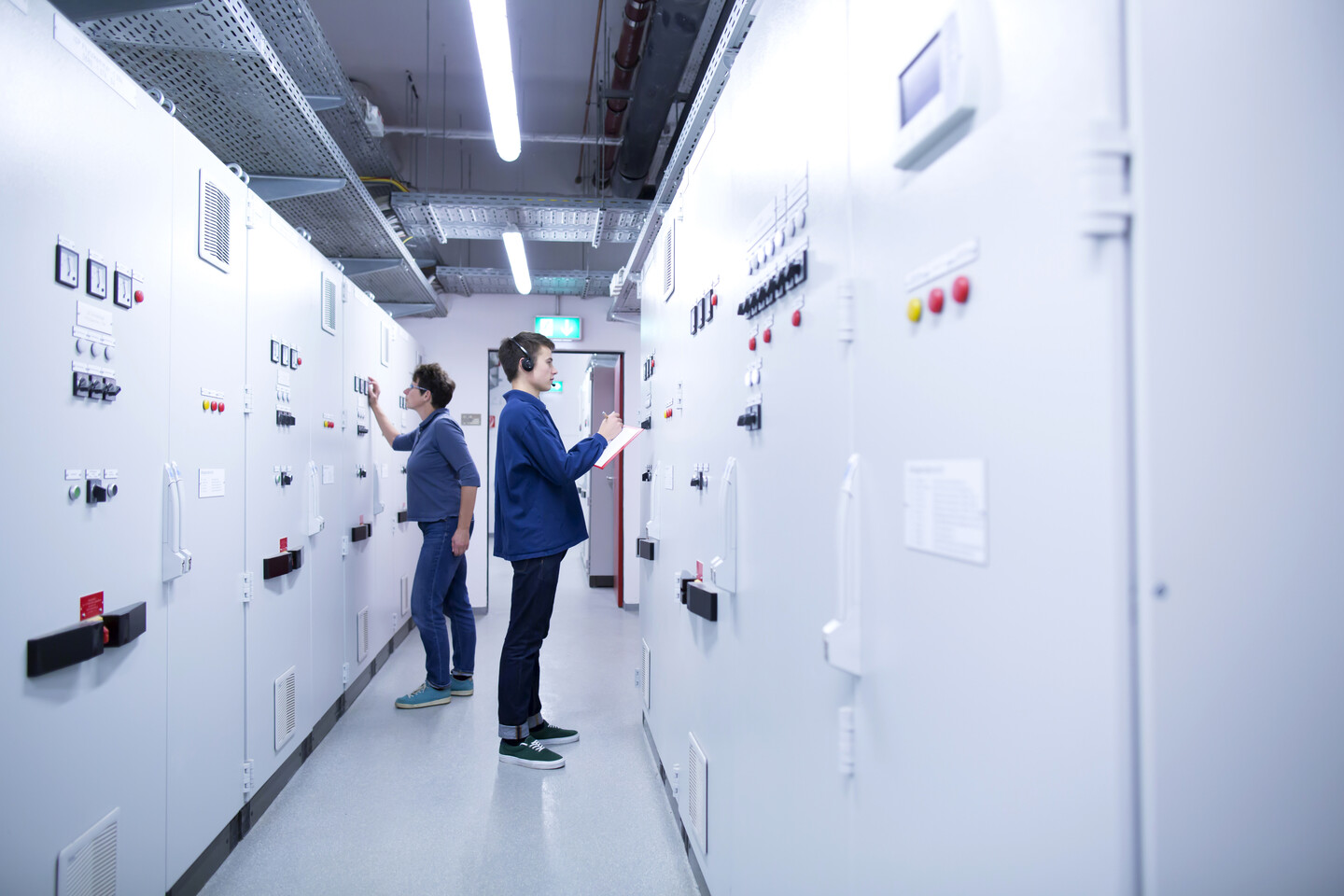
Modern low current systems in Saudi Arabia refer to Extra Low Voltage (ELV) technologies designed to support communication, security, automation, and monitoring functions within buildings and facilities. These systems operate independently from power distribution networks while contributing significantly to building performance and operational management.
Low current infrastructure typically includes CCTV surveillance systems, access control solutions, intrusion detection systems, public address systems, structured cabling networks, building management systems, intercom technologies, and communication platforms. Each system serves a specialized function while working together to create a connected building environment.
The importance of low current systems in Saudi Arabia continues to increase as organizations seek greater control over facility operations and security. Through centralized monitoring and automation, these systems allow operators to respond quickly to incidents, monitor building activities, and improve overall efficiency.
Advanced low current solutions also contribute to business continuity and risk management. Security systems help protect assets and personnel, while communication technologies support emergency response and operational coordination. As buildings become more technologically sophisticated, integrated low current infrastructure serves as a foundation for smart building functionality and digital transformation initiatives.
CCTV and Security Systems in Modern Buildings
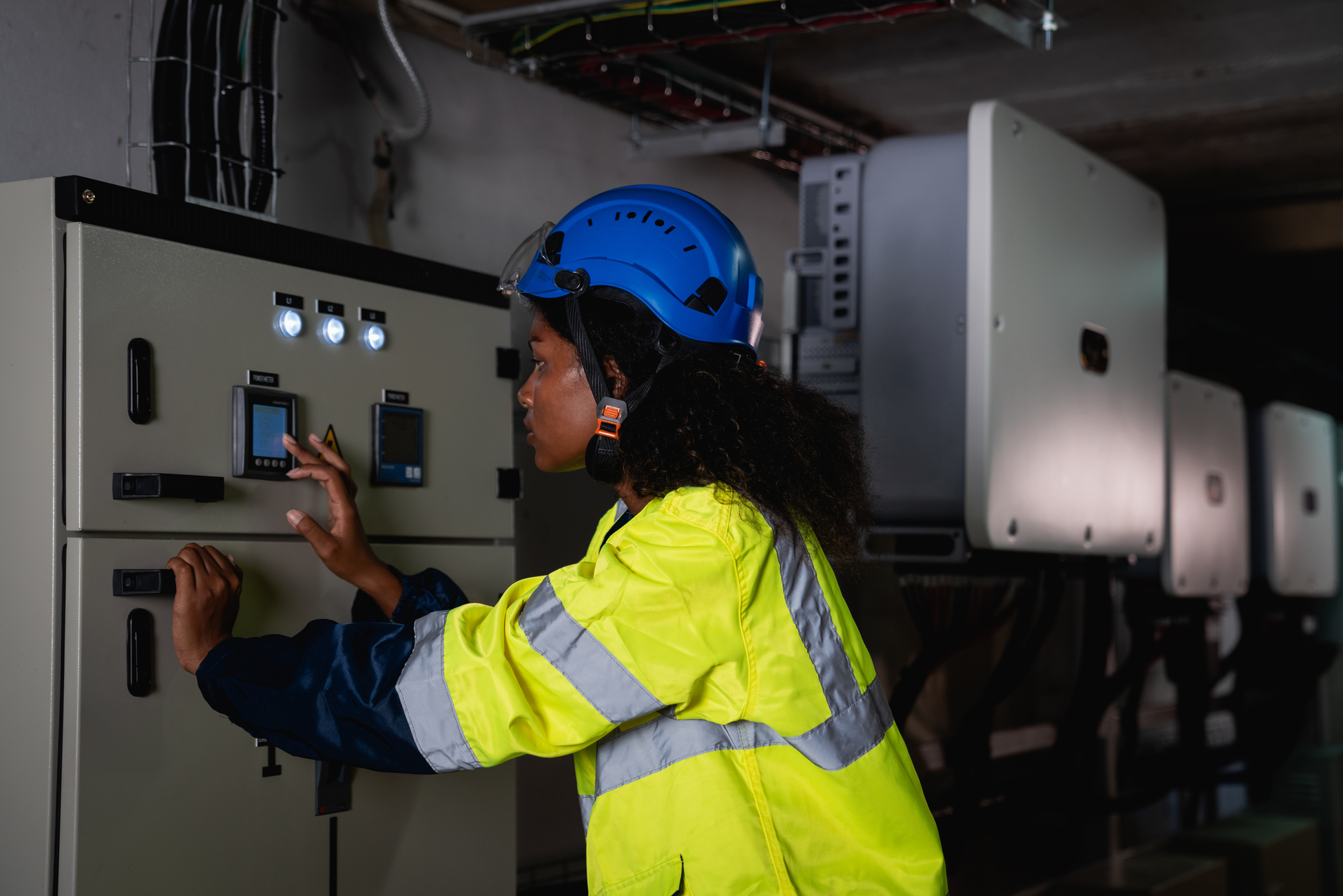
One of the most widely implemented low current systems in Saudi Arabia is CCTV surveillance technology. Modern surveillance systems provide real-time monitoring, recording capabilities, remote access, and advanced analytics that improve building security and operational awareness.
CCTV systems help organizations monitor entrances, exits, parking areas, production facilities, public spaces, and sensitive locations. High-definition cameras, intelligent video analytics, facial recognition technologies, and remote monitoring capabilities have significantly enhanced the effectiveness of modern surveillance solutions.
Security-focused low current systems in Saudi Arabia often include access control technologies that regulate building entry and movement. Access control systems use cards, biometric verification, PIN codes, mobile credentials, and other authentication methods to restrict unauthorized access and improve facility security.
Intrusion detection systems provide an additional layer of protection by identifying unauthorized activities and generating alerts for security personnel. These systems can integrate with CCTV platforms, access control solutions, and alarm technologies to provide coordinated security management.
Organizations across commercial, industrial, healthcare, hospitality, and government sectors increasingly invest in integrated security infrastructure to protect assets, improve safety, and maintain operational continuity. The combination of surveillance, access management, and intrusion detection technologies creates a comprehensive security ecosystem capable of supporting modern facility requirements.
Building Management Systems and Smart Building Integration

The growth of smart buildings has accelerated demand for advanced low current systems in Saudi Arabia that support automation, centralized monitoring, and intelligent facility management. Building Management Systems (BMS) play a central role in achieving these objectives.
A BMS integrates multiple building services including HVAC systems, lighting controls, energy management, security systems, fire alarms, and operational equipment into a unified management platform. This integration allows facility operators to monitor and control building performance from a centralized interface.
Modern low current systems in Saudi Arabia enable organizations to optimize energy consumption, improve maintenance planning, and enhance occupant comfort through data-driven decision-making. Real-time monitoring provides valuable insights into building operations, equipment performance, and resource utilization.
Smart building technologies also support predictive maintenance strategies by identifying potential equipment issues before failures occur. Automated alerts, performance analytics, and operational reporting help facility managers reduce downtime and improve overall efficiency.
As smart city initiatives continue to expand throughout Saudi Arabia, the adoption of integrated building technologies is expected to increase significantly. Professional implementation of low current infrastructure helps organizations prepare for future digital transformation while maximizing the value of current investments.
Structured Cabling and Communication Infrastructure

Reliable communication infrastructure forms the backbone of modern low current systems in Saudi Arabia. Structured cabling systems provide the physical foundation required to support data transmission, communication networks, security technologies, and smart building applications.
A properly designed structured cabling network allows multiple technologies to operate efficiently within a single infrastructure environment. This includes computer networks, telecommunication systems, wireless access points, surveillance technologies, and building automation platforms.
Professional implementation of low current systems in Saudi Arabia requires careful planning of cable pathways, equipment locations, network architecture, and future expansion requirements. Scalable infrastructure ensures that organizations can accommodate technological growth without significant disruption or costly system modifications.
Communication systems such as intercom technologies, IP telephony platforms, and public address systems further enhance operational effectiveness. These solutions improve internal communication, emergency response coordination, and occupant notification capabilities.
High-quality communication infrastructure also supports cloud-based services, remote management platforms, and Internet of Things (IoT) technologies that continue to shape the future of smart building operations. As organizations increasingly depend on connected technologies, structured cabling remains a critical component of successful low current implementation.
Benefits of Professional Low Current System Implementation
Investing in professional low current systems in Saudi Arabia offers significant benefits for building owners, developers, facility managers, and business operators. Properly designed and integrated systems improve security, operational efficiency, communication capabilities, and overall facility performance.
One of the primary advantages of low current systems in Saudi Arabia is enhanced situational awareness. Real-time monitoring and centralized management platforms provide immediate visibility into building operations and security conditions.
Operational efficiency also improves through automation and system integration. Organizations can reduce manual processes, streamline maintenance activities, and optimize resource utilization through intelligent building technologies.
Safety remains another important benefit. Integrated communication, surveillance, and emergency notification systems support rapid response during incidents and help protect occupants and assets.
Professional implementation also contributes to long-term scalability and future readiness. As technology evolves, properly designed low current infrastructure can accommodate new systems, software platforms, and operational requirements without major disruptions.
Organizations that invest in high-quality low current solutions often experience improved operational performance, stronger security posture, and greater flexibility in managing evolving business and facility needs.
Conclusion
The growing demand for low current systems in Saudi Arabia reflects the increasing importance of smart technologies in modern buildings and infrastructure projects. From surveillance and access control systems to building automation and communication networks, these technologies play a vital role in enhancing security, efficiency, and operational performance.
Professional low current systems in Saudi Arabia provide organizations with the tools needed to manage facilities more effectively, protect assets, support business continuity, and improve occupant experiences. As digital transformation continues to reshape the construction and facility management sectors, low current infrastructure has become an essential investment rather than an optional enhancement.
The successful implementation of low current systems in Saudi Arabia requires careful planning, engineering coordination, system integration, and long-term maintenance support. Organizations that adopt a strategic approach to low current technologies are better positioned to achieve operational excellence and adapt to future technological advancements.
As Saudi Arabia continues to develop smart cities, modern infrastructure, and advanced commercial developments, low current technologies will remain a key driver of innovation, efficiency, and building intelligence.
Frequently Asked Questions
What are low current systems in Saudi Arabia?
low current systems in Saudi Arabia are ELV technologies used for security, communication, automation, monitoring, and smart building management.
What systems are included in low current solutions?
Common systems include CCTV, access control, intrusion alarms, structured cabling, intercoms, public address systems, and building management systems.
Why are low current systems important?
They improve security, communication, operational efficiency, automation capabilities, and overall building management.
What is the difference between low current and electrical systems?
Electrical systems distribute power, while low current systems manage communication, monitoring, security, and automation functions.
Can low current systems integrate with smart buildings?
Yes. Modern low current infrastructure serves as the foundation for smart building technologies, automation platforms, and centralized management systems.
Sources
Related Topics
- MEP Contracting Services in Saudi Arabia: Complete Guide to Modern Building Systems
- fire fighting systems in Saudi Arabia: Complete Guide to Building Fire Protection Solutions
- ventilation systems in Saudi Arabia: Complete Guide to Indoor Air Quality and Building Performance
- MEP supplies in Saudi Arabia: Complete Guide to Quality Materials for Construction Projects
- MEP design in Saudi Arabia: Complete Guide to Engineering Coordination and Building Performance
- General Contractor in Saudi Arabia: Complete Guide to Successful Construction Projects