
Introduction
Fire safety has become one of the most critical requirements in modern construction projects. Whether for commercial buildings, industrial facilities, residential developments, healthcare centers, educational institutions, or infrastructure projects, effective fire protection systems play a vital role in protecting lives, assets, and business operations.

The demand for fire fighting systems in Saudi Arabia continues to grow as construction activity expands across the Kingdom. Modern buildings require integrated fire protection solutions that combine early fire detection, rapid suppression capabilities, emergency response systems, and compliance with safety regulations. These systems are designed not only to reduce fire risks but also to minimize property damage and ensure business continuity during emergencies.
Professional fire fighting systems in Saudi Arabia are developed according to engineering standards, safety regulations, and project-specific requirements. From fire pumps and sprinkler systems to hydrant networks and fire suppression technologies, every component contributes to a comprehensive fire protection strategy.
As Saudi Arabia continues to invest in large-scale developments and smart infrastructure projects, building owners and facility operators increasingly recognize the importance of implementing reliable fire fighting systems in Saudi Arabia. Proper system design, installation, testing, and maintenance are essential to achieving long-term safety and regulatory compliance.
Understanding Fire Fighting Systems and Their Importance
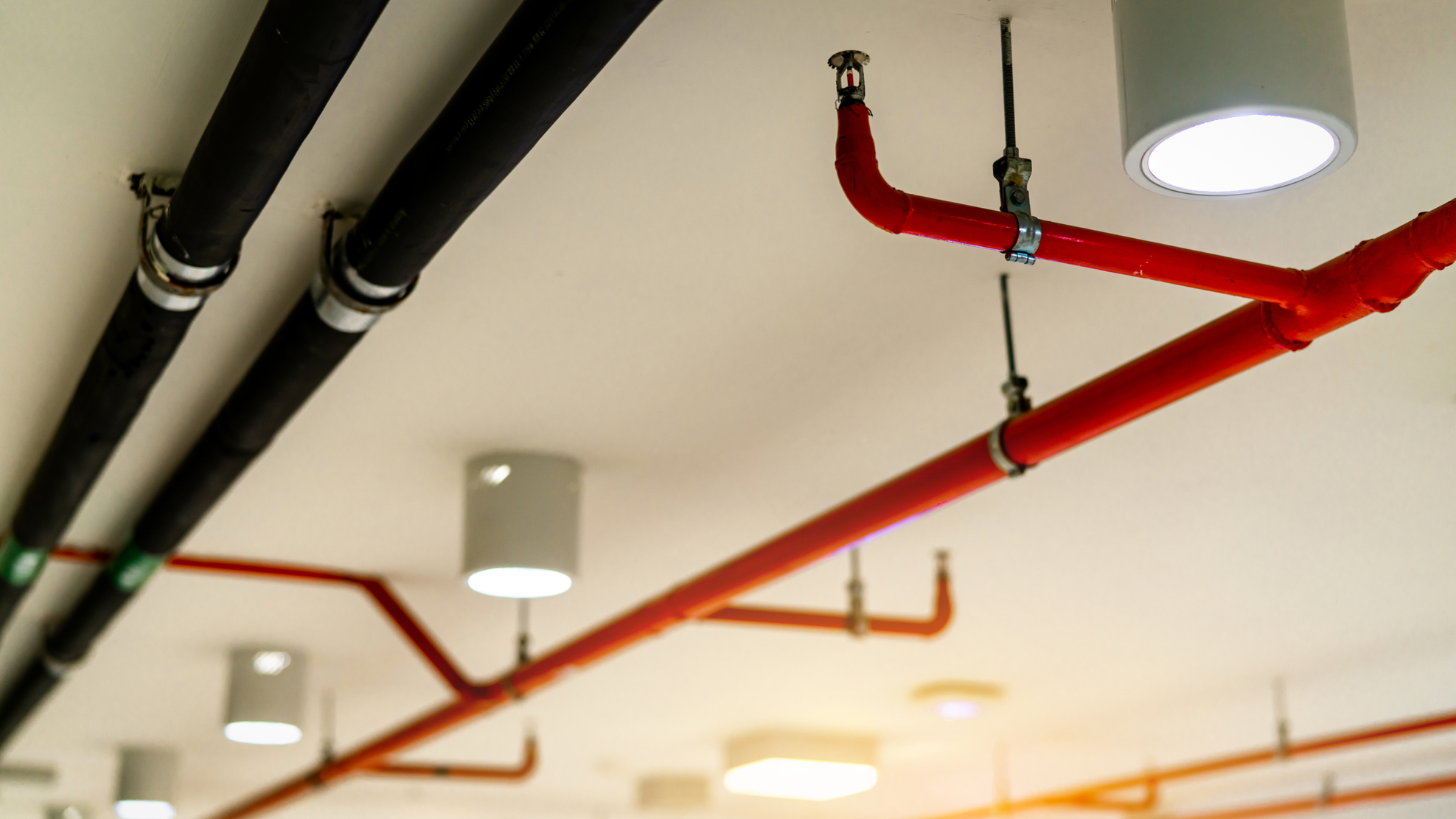
Modern fire fighting systems in Saudi Arabia are designed to detect, control, suppress, and manage fire incidents before they escalate into major emergencies. These systems form an essential part of any building’s life safety infrastructure and help protect occupants, assets, equipment, and business operations.
Fire protection systems operate through a combination of active and passive safety measures. Active systems include sprinklers, hydrants, hose reels, fire pumps, and suppression systems that directly respond to fire events. Passive protection elements such as fire-rated doors and compartmentation systems help contain fire and smoke spread.
The importance of fire fighting systems in Saudi Arabia is particularly significant due to the diverse range of building types being developed across the Kingdom. Commercial towers, industrial facilities, logistics centers, hotels, hospitals, and residential communities all require specialized fire protection strategies based on occupancy, operational risks, and regulatory requirements.
Modern fire protection engineering focuses on rapid response, system reliability, and integrated operation. Properly designed systems can significantly reduce property damage, protect occupants, and support emergency response teams during critical situations. Investing in professional fire protection solutions also contributes to insurance compliance, operational continuity, and long-term asset protection.
Main Components of Fire Fighting Systems
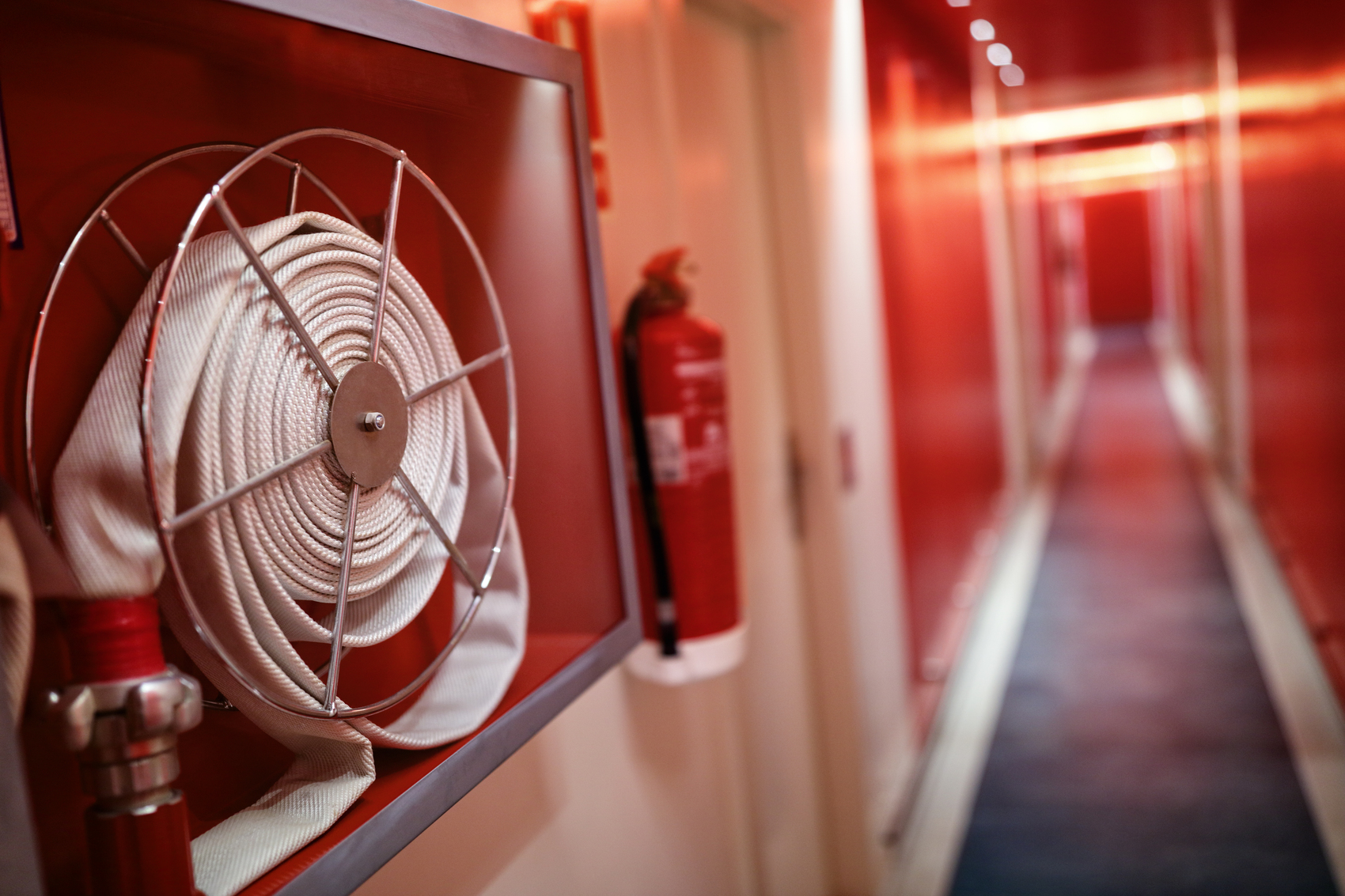
Comprehensive fire fighting systems in Saudi Arabia typically consist of multiple interconnected components working together to provide complete protection. Each system element serves a specific function while contributing to overall fire safety performance.
Fire pumps represent the heart of many fire protection systems. They provide the water pressure necessary to operate sprinklers, hydrants, and hose reel networks during emergency situations. Reliable fire pump performance is essential for effective fire suppression.
Sprinkler systems automatically discharge water when elevated temperatures activate sprinkler heads. These systems are widely used in commercial buildings, warehouses, healthcare facilities, and industrial projects due to their proven effectiveness.
Hydrant systems provide external and internal firefighting access points for emergency response personnel. Hose reel systems allow building occupants and trained personnel to respond quickly during the early stages of a fire.
Advanced suppression technologies including FM-200, Novec, CO2, foam, aerosol, and water mist systems are commonly used in specialized environments where traditional water-based suppression may not be suitable.
Modern fire fighting systems in Saudi Arabia also integrate with fire alarm systems, building management systems, and emergency evacuation systems to provide coordinated fire safety operation throughout the facility.
Fire Protection Standards and Regulatory Compliance
Successful implementation of fire fighting systems in Saudi Arabia requires strict compliance with engineering standards, fire codes, and safety regulations. Regulatory compliance ensures that fire protection systems perform effectively during emergencies and meet legal requirements.
Fire protection design is typically based on internationally recognized standards such as NFPA Standards, which provide guidelines for system design, installation, testing, and maintenance. These standards help establish best practices for fire safety engineering across multiple industries.
Project-specific requirements often depend on building occupancy, risk classification, construction type, and operational activities. Industrial facilities may require specialized suppression systems, while healthcare facilities often demand enhanced life safety measures and emergency evacuation capabilities.
Professional contractors conducting fire fighting systems in Saudi Arabia projects must ensure proper system sizing, hydraulic calculations, equipment selection, installation quality, and performance testing. Documentation and inspection procedures also play a critical role in demonstrating compliance and operational readiness.
Regulatory compliance is not limited to installation alone. Ongoing inspection, testing, and maintenance programs are necessary to ensure continued system reliability and performance throughout the building lifecycle.
Installation and Commissioning Process

The success of fire fighting systems in Saudi Arabia depends heavily on proper planning, installation, testing, and commissioning. A structured implementation process helps ensure reliable operation and long-term system effectiveness.
The process begins with project evaluation and risk assessment. Engineers analyze building layouts, occupancy types, fire hazards, and regulatory requirements to determine appropriate protection strategies.
Engineering design follows the assessment phase and includes hydraulic calculations, equipment selection, network layouts, and system coordination. Detailed drawings help ensure efficient installation and system integration.
Installation activities involve the placement of fire pumps, sprinkler networks, hydrants, suppression equipment, valves, control panels, and associated infrastructure. Quality control procedures are implemented throughout installation to verify compliance with approved specifications.
Testing and commissioning represent critical project milestones. Contractors verify water flow rates, pressure performance, alarm functionality, suppression system operation, and emergency response integration. Any deficiencies are addressed before final project handover.
Professional commissioning ensures that fire fighting systems in Saudi Arabia operate according to design intent and are fully prepared to respond effectively during emergency situations.
Maintenance and Long-Term System Reliability
Even the most advanced fire fighting systems in Saudi Arabia require regular maintenance to ensure continued performance and reliability. Without proper inspection and servicing, fire protection equipment may fail when needed most.
Preventive maintenance programs typically include routine inspections, equipment testing, valve verification, pump performance checks, sprinkler inspections, and suppression system servicing. These activities help identify potential issues before they impact system operation.
Fire pumps require periodic testing to verify pressure and flow performance. Alarm systems must be tested regularly to ensure proper detection and notification capabilities. Suppression systems often require specialized maintenance procedures based on the specific extinguishing agent used.
Professional maintenance programs also support regulatory compliance and insurance requirements. Many building owners rely on documented maintenance records to demonstrate system readiness and operational integrity.
Long-term investment in maintenance helps maximize the value of fire fighting systems in Saudi Arabia while reducing operational risks and improving overall safety performance. Facilities that maintain proactive inspection programs typically experience fewer failures and greater confidence in their emergency response capabilities.
Conclusion
The importance of fire fighting systems in Saudi Arabia continues to increase as the Kingdom expands its construction, industrial, and infrastructure sectors. Modern fire protection solutions are essential for safeguarding people, assets, operations, and investments against the potentially devastating effects of fire incidents.
Professional fire fighting systems in Saudi Arabia combine advanced detection technologies, suppression equipment, emergency response infrastructure, and regulatory compliance into a comprehensive safety strategy. From fire pumps and sprinkler systems to specialized suppression technologies and hydrant networks, each component contributes to overall building protection.
Organizations that invest in properly designed and maintained fire fighting systems in Saudi Arabia benefit from improved safety, reduced operational risks, enhanced regulatory compliance, and greater long-term asset protection. Effective fire protection is not simply a legal requirement—it is a critical investment in operational continuity and risk management.
As construction projects become increasingly sophisticated, the role of professional fire protection engineering will continue to grow, ensuring safer buildings and more resilient facilities throughout Saudi Arabia.
Frequently Asked Questions
What are fire fighting systems in Saudi Arabia?
Fire fighting systems in Saudi Arabia are integrated fire protection solutions designed to detect, control, suppress, and manage fire incidents in buildings and facilities.
What are the main components of fire fighting systems?
Major components include fire pumps, sprinkler systems, hydrant networks, hose reels, suppression systems, and fire alarm integration.
Why are fire fighting systems important?
They help protect occupants, assets, equipment, and business operations while reducing fire-related risks and property damage.
Which standards are commonly used for fire protection design?
Many projects follow internationally recognized standards such as NFPA guidelines and other applicable engineering requirements.
How often should fire fighting systems be maintained?
Regular inspection, testing, and preventive maintenance should be performed according to manufacturer recommendations and regulatory requirements.
Sources
- National Fire Protection Association (NFPA)
- International Organization for Standardization (ISO)
- Occupational Safety and Health Administration (OSHA)
- Society of Fire Protection Engineers (SFPE)
- buildingSMART International
Related Topics
- MEP Contracting Services in Saudi Arabia: Complete Guide to Modern Building Systems
- low current systems in Saudi Arabia: Complete Guide to Smart Building Technologies
- ventilation systems in Saudi Arabia: Complete Guide to Indoor Air Quality and Building Performance
- MEP supplies in Saudi Arabia: Complete Guide to Quality Materials for Construction Projects
- MEP design in Saudi Arabia: Complete Guide to Engineering Coordination and Building Performance
- General Contractor in Saudi Arabia: Complete Guide to Successful Construction Projects